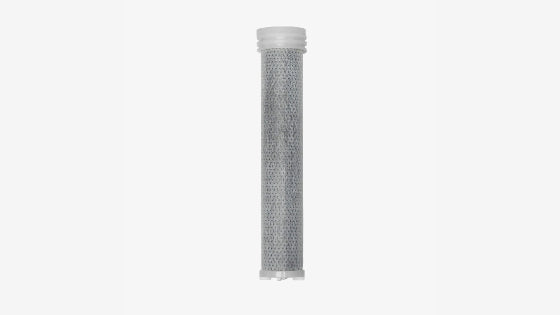



The Science Behind the MILO Filter
Our filter system is developed in collaboration with water quality specialists.

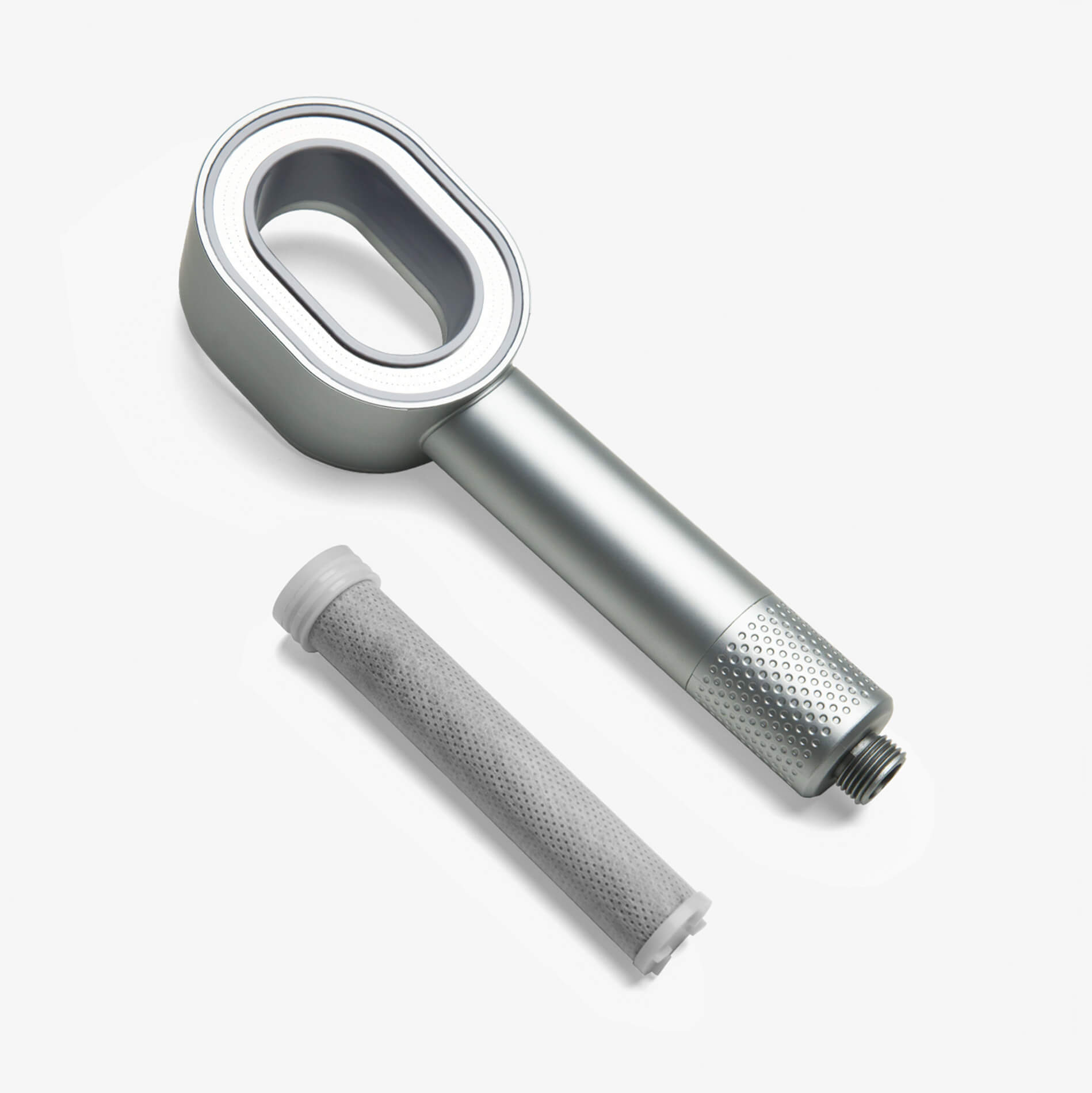
International studies repeatedly demonstrate how activated carbon and FOF salt contribute to reducing impurities in water. Showerlabs has developed a health-approved (organic substances) and effective filter that efficiently combats these impurities.
International studies repeatedly demonstrate how activated carbon and FOF salt contribute to reducing impurities in water. Showerlabs has developed a health-approved (organic substances) and effective filter that efficiently combats these impurities.
Our Ingredients

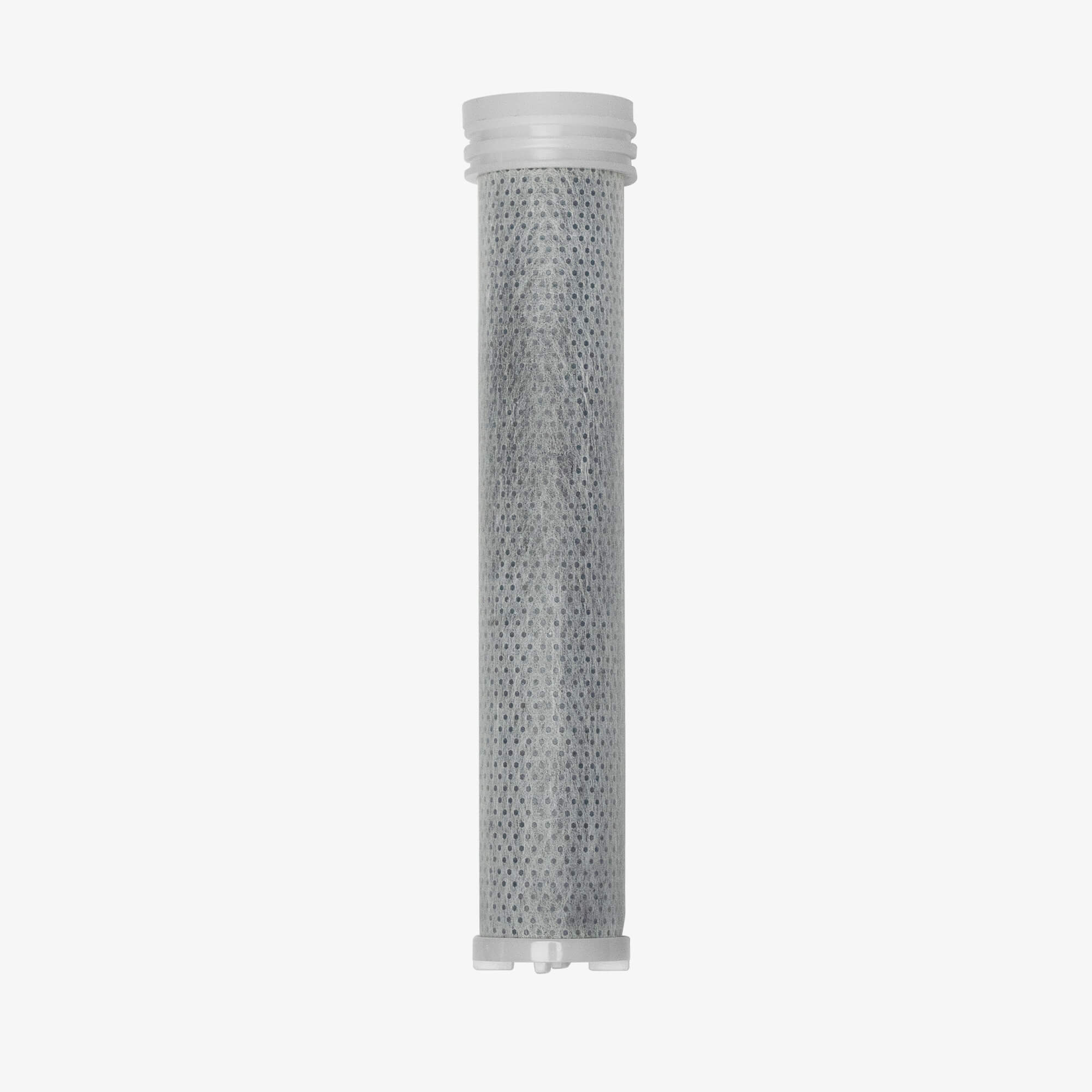
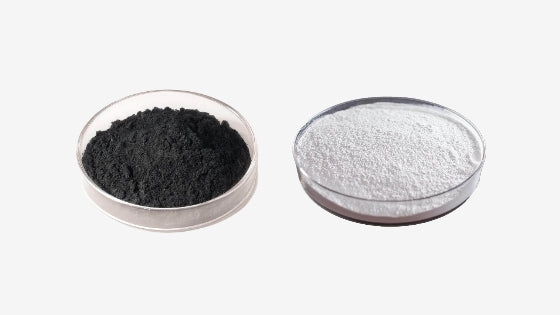
Activated carbon is a form of carbon that has been treated to increase its porosity and surface area, making it extremely absorbent. It is often used in water filtration to remove contaminants such as heavy metals, PFAS, pesticides, and chlorine by binding them to its surface through a process called adsorption. This makes activated carbon effective at improving water quality.
Activated carbon is a form of carbon that has been treated to increase its porosity and surface area, making it extremely absorbent. It is often used in water filtration to remove contaminants such as heavy metals, PFAS, pesticides, and chlorine by binding them to its surface through a process called adsorption. This makes activated carbon effective at improving water quality.

FOF (sodium hexametaphosphate) is a salt that functions as a sequestering agent, which means it can bind to metals and minerals in the water. It helps prevent the formation of limescale deposits by keeping calcium and magnesium ions dissolved in the water, preventing them from crystallizing and forming hard deposits.
FOF (sodium hexametaphosphate) is a salt that functions as a sequestering agent, which means it can bind to metals and minerals in the water. It helps prevent the formation of limescale deposits by keeping calcium and magnesium ions dissolved in the water, preventing them from crystallizing and forming hard deposits.
The MILO Filter Reduces:
Kalk

The MILO filter contains FOF salt (sodium hexametaphosphate) that binds to metals and minerals in the water. This helps prevent the formation of limescale deposits by maintaining the solubility of calcium and magnesium ions in the water, preventing them from crystallizing and forming hard deposits.
"SHMP (sodium hexametaphosphate) hæmmer opbygning af kalkaflejringer."
PFAS

The activated carbon in the MILO filter uses its porous structure to adsorb PFAS (per- and polyfluoroalkyl substances) from water, trapping it on the filter's surface. This is an effective method to reduce the concentration of PFAS, as these substances tend to bind to the carbon structures of the charcoal.
Pesticider

The activated carbon in the MILO filter effectively reduces pesticides from water by binding the organic molecules from the pesticides to its porous surface through a process called adsorption. This occurs because activated carbon has a high affinity for organic compounds, allowing it to selectively reduce these harmful substances from the water.
"Aktiveret kul er en velegnet metode til at fjerne pesticider fra drikkevandet."
Tungmetaller

The MILO filter enhances the reduction of heavy metals in water by adsorbing them on the surface. This function is due to the activated carbon in the filter, which possesses a porous structure. The adsorption process enables a significant reduction of heavy metals.
Klor

The activated carbon in the MILO filter is particularly effective at reducing chlorine from water by binding the chlorine molecules to its porous structure through a process called adsorption, which reduces both the chlorine content and the associated odor and taste issues.
"Aktiveret kul kan fjerne og nedbryde resterende desinfektionsmidler (klor og kloramin) gennem en katalytisk reduktionsreaktion."

Effects on Skin and Hair
Heavy metals such as cadmium, lead, and mercury can negatively impact both skin and hair. These metals can penetrate the structure of the skin and hair, leading to a range of harmful effects. For example, they can cause irritation and dryness in the skin, as well as weakening and damage to the hair strands. Over time, this can result in hair loss and a general deterioration of hair health.
Hard water has a significant effect on the condition of hair. When hard water combines with soap and shampoo, insoluble salts are formed, which deposit in the hair. These limescale deposits make hair dry and stiff, making it difficult to comb out after washing. Additionally, artificial hair colors fade faster when exposed to hard water. The constant exposure to limescale can lead to hair looking lifeless and dull while feeling more fragile and less manageable.
Ofte stillede spørgsmål om MILO Filteret
Hvad er MILO-filteret?
MILO-filteret er et vandfilter, der anvender aktivt kul og FOF-salt (sodium hexametaphosphate) som filtermedium.
Er MILO-filteret farligt?
Nej, MILO-filteret anvender organiske midler, som ikke er sundhedsskadelige ved normal brug.